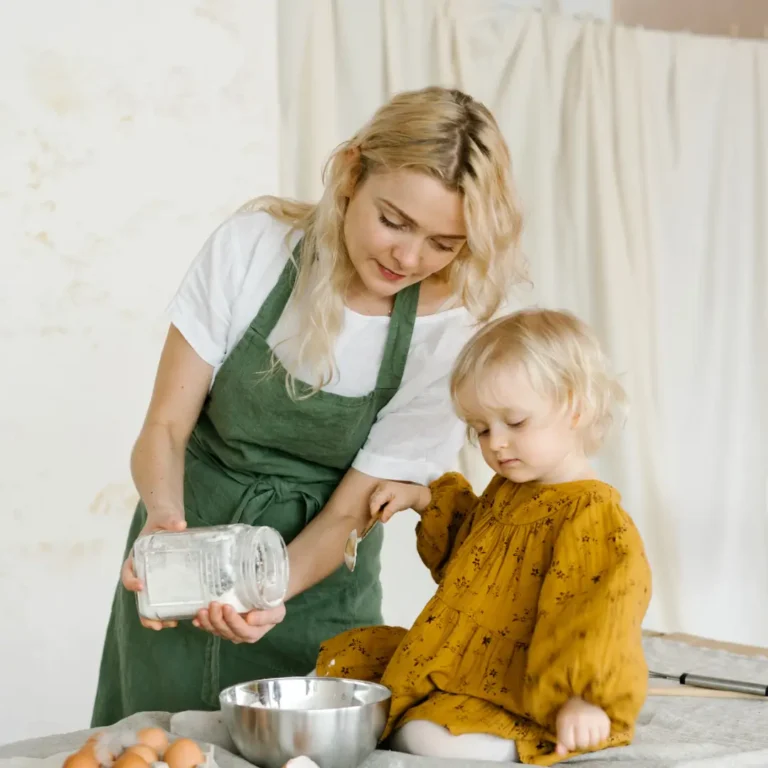
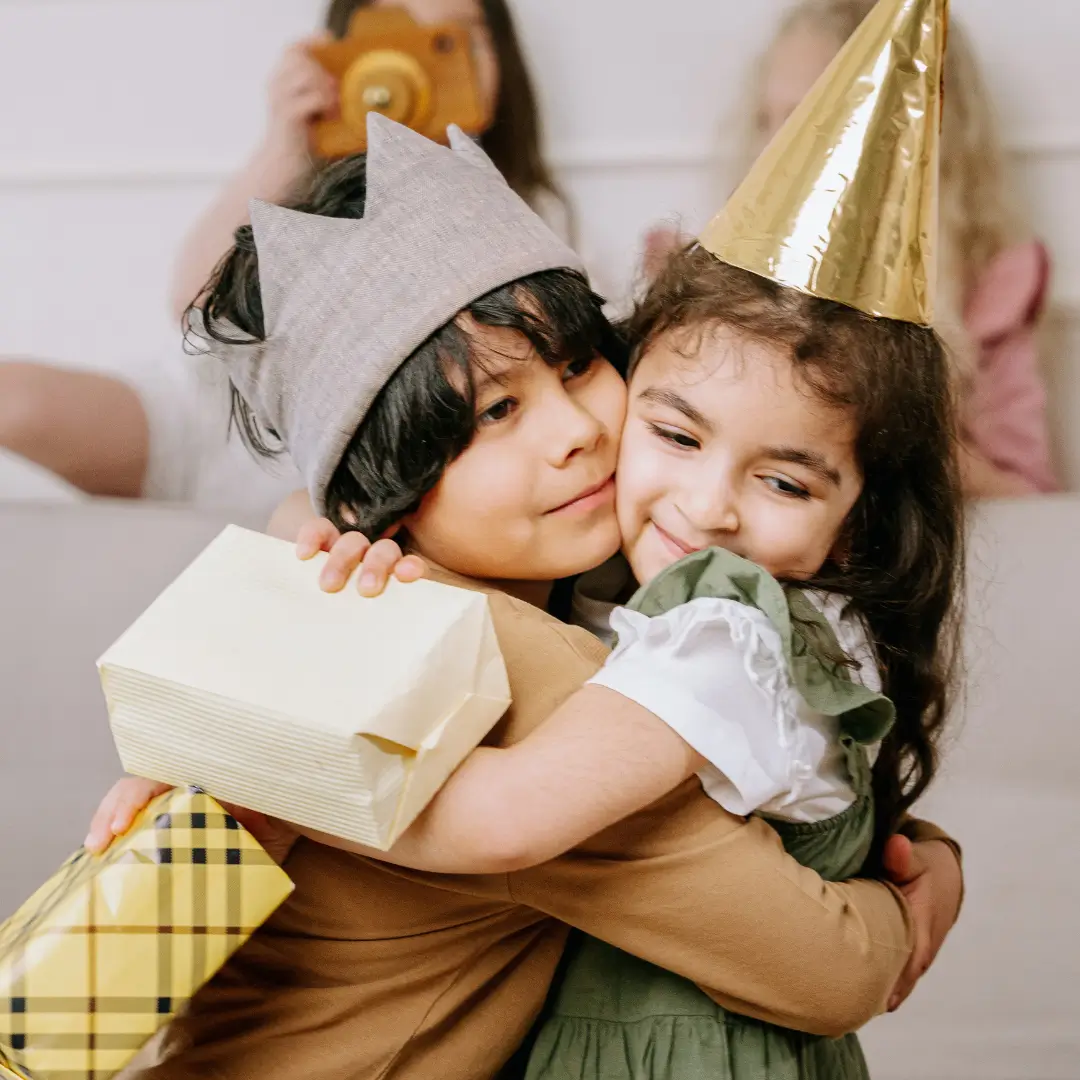
Sometimes we should express our gratitude for the small and simple things like the scent of the rain, the taste of your favorite food, or the sound of a loved one’s voice.” — Joseph B. Wirthlin
This is such a beautiful quote because it reminds our kids that they should express gratitude in all things. Not only for the big moments they may have wished and hoped for, but also for the little things that quietly become necessities in their lives.
No time to read? Save on Pinterest for later!
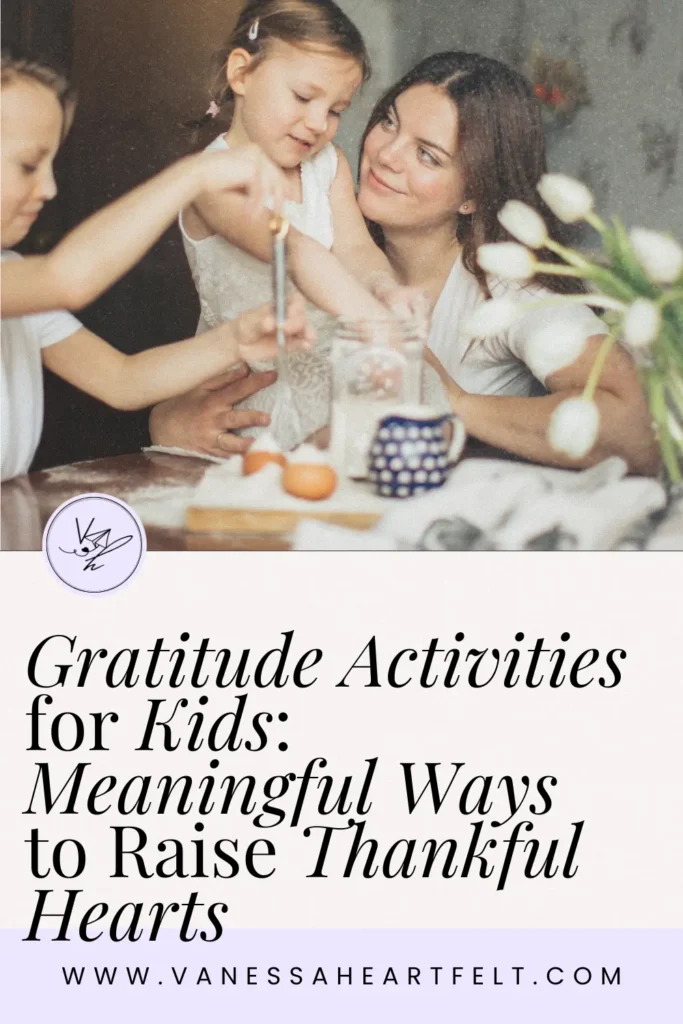
Gratitude teaches children to slow down, appreciate the world around them, and recognise the love, care, and blessings woven into everyday moments.

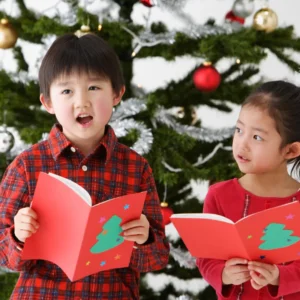
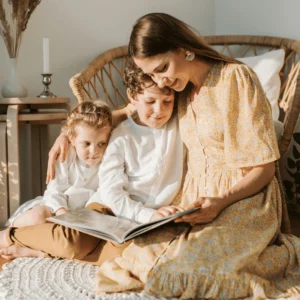
What Is Gratitude? | A Simple Explanation for Children
According to Google, gratitude is an emotion and a state of appreciation for the positive things in life. It involves recognising the goodness we experience and acknowledging that it comes from sources outside ourselves, fostering a sense of thankfulness.
When I asked my son what grateful means, he sweetly explained:
“Being grateful is receiving a gift that may not be your style, but accepting it because it’s thoughtful and there may be kids who have less than ourselves.”
Honestly, hearing this melted my heart. It is such a beautiful reflection of how children can naturally understand compassion, kindness, and empathy when we nurture those values within them. Sometimes kids understand gratitude in the purest way possible.
Teaching kids gratitude is not about perfection. It is about helping children become more aware of love, kindness, family, friendships, and the positive things surrounding them each day.
Why Gratitude Matters for Social Emotional Learning
We live in a world filled with many experiences, opinions, and emotions. There will always be highs and lows, joyful moments and challenging seasons. But if there is one powerful thing we can teach our children, it is how to practice gratitude even through life’s changing moments.
Gratitude supports:
- Social emotional learning
- Emotional learning and awareness
- Positive coping skills
- Healthy social skills
- Confidence and resilience
- A growth mindset
- Emotional wellbeing and mental health
When children learn to express gratitude, they begin to shift their focus away from comparison and negativity. Instead, they learn to recognise joy, kindness, and hope.
Gratitude for Kids: Learning Through Everyday Moments
Children learn so much through observation. The way we speak, react, encourage, and appreciate others often becomes the blueprint for how they eventually move through the world themselves.
This is why teaching gratitude is so important. It helps children become more mindful of the people who care for them, the opportunities they receive, and the beauty hidden within ordinary moments.
Sometimes gratitude can look like:
- Saying thank you sincerely
- Helping a family member without being asked
- Sharing toys or snacks with friends
- Writing kind notes to teachers
- Appreciating nature and the outdoors
- Taking time to recognise their own blessings
These simple habits slowly shape compassionate hearts.
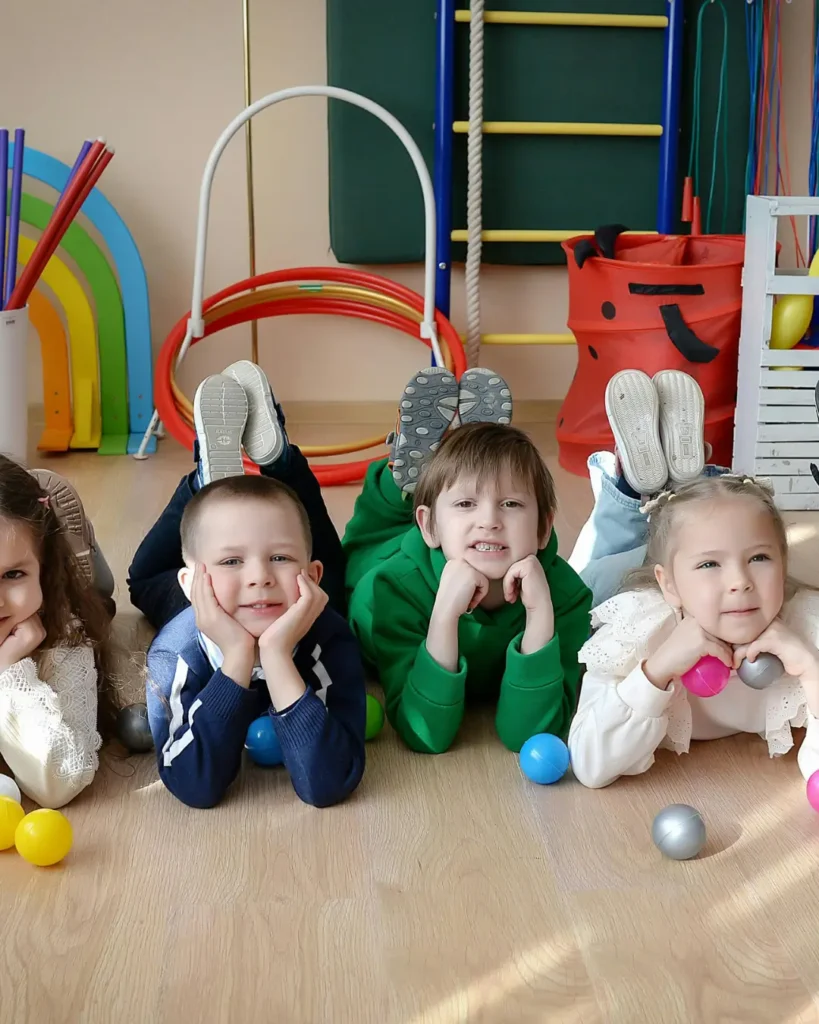
Ways Kids Can Show Gratitude
There are so many meaningful gratitude activities children can enjoy at home, in school, or during family time. These simple ideas help make teaching gratitude both fun and intentional.
1. Gratitude Jar Activity
A gratitude jar is one of the easiest gratitude activities for kids.
Encourage your child to write one thing they are thankful for every day on a piece of paper and place it inside a jar. Over time, this gratitude jar becomes filled with precious reminders of love, joy, family, and happy memories.
This gratitude activity also encourages reflection and emotional learning.
At the end of the month or year, children can open the jar and revisit all the beautiful things they were grateful for. This creates wonderful family conversations and helps children realise how much goodness surrounds them daily.
2. Daily Gratitude Journal for Children
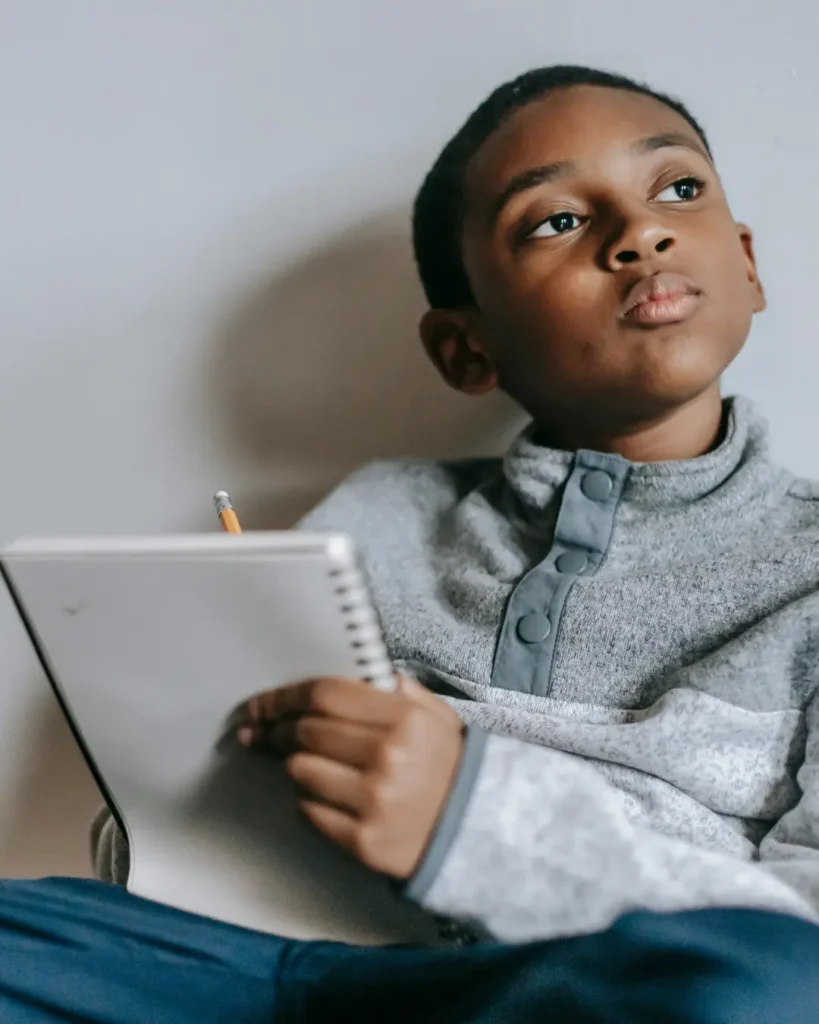
Keeping a gratitude journal helps children express their thoughts and feelings in a healthy way.
Before bedtime, encourage your child to write:
- One thing that made them smile
- One person they are grateful for
- One positive thing about their day
A gratitude journal is wonderful for building emotional awareness, confidence, and writing skills.
For younger children, drawing pictures instead of writing can make the activity feel more engaging and age-appropriate. Over time, journaling helps children process emotions more calmly while building healthy coping skills.
3. Gratitude Scavenger Hunt Ideas
A gratitude scavenger hunt is such a fun free activity for children.
Ask your child to find:
- Something that makes them laugh
- One thing that helps them learn
- Something beautiful outside
- A family member they love
- Something that makes them feel safe
- One thing that smells nice
- Something colourful in nature
This gratitude scavenger activity helps children appreciate both the big and small blessings in life while developing social emotional skills.
It also encourages mindfulness, creativity, movement, and observation.
4. Create a Gratitude Tree
A gratitude tree is a lovely craft idea for children.
Using paper leaves, ask kids to write what they are thankful for and place them onto branches displayed on a wall or bulletin board. As the tree grows, children visually see just how many blessings fill their lives each day.
This activity works beautifully in:
- Classrooms
- Family homes
- Sunday school groups
- Therapy sessions
- Emotional learning programmes
The gratitude tree becomes a visual reminder that grateful hearts continue to grow.
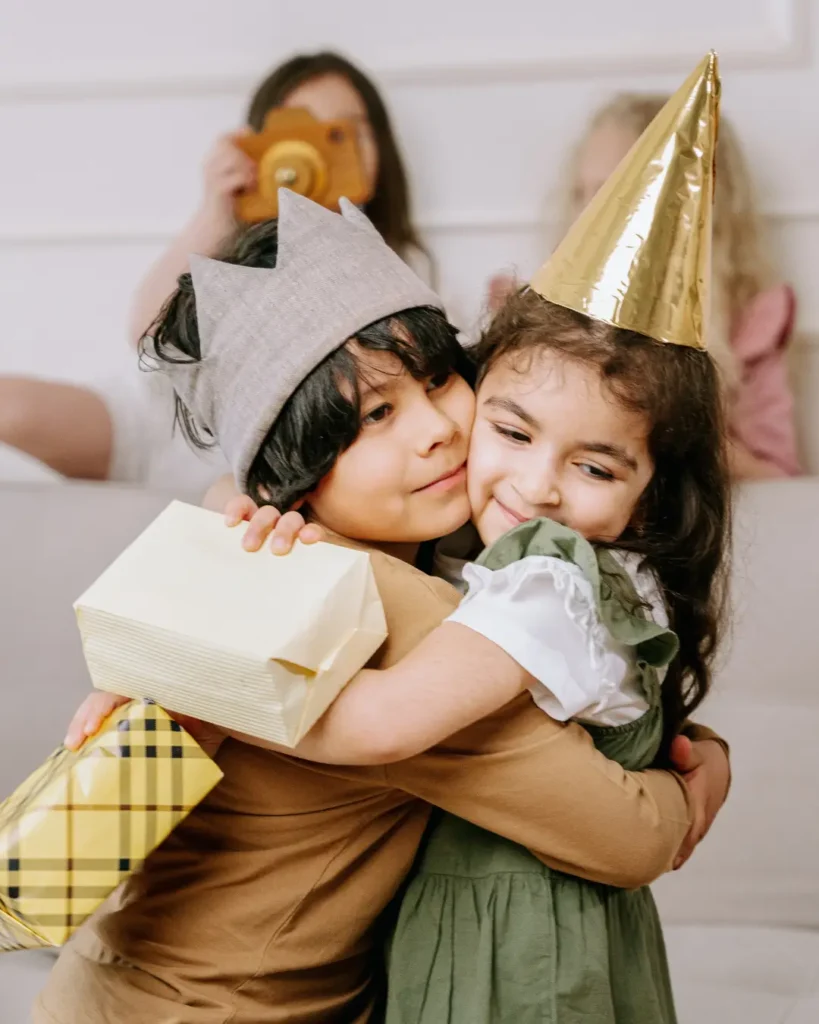
Teaching Gratitude Through Family Time
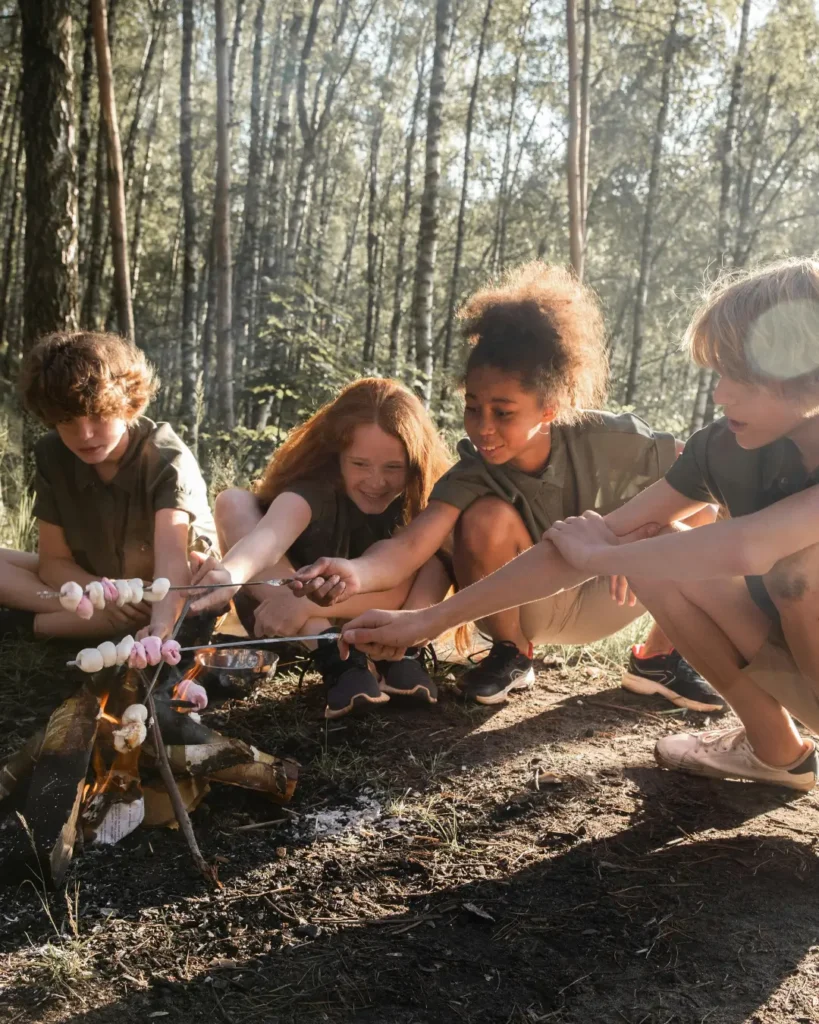
Sometimes the most powerful gratitude activities happen during ordinary moments together.
Cooking meals, taking walks, reading bedtime stories, laughing during game night, or simply talking at the dinner table all become opportunities to practice gratitude as a family.
Children often remember how we made them feel far more than expensive gifts or grand gestures.
Family connection is one of the greatest gifts children can receive. Even spending quality time together for a few minutes each day can positively shape emotional wellbeing.
The Long-Term Benefits of Teaching Gratitude
One of the most beautiful things about teaching gratitude is that the lessons children learn today often stay with them for years to come. Gratitude is not simply a seasonal activity or a one-time conversation. It becomes a way of thinking, living, and viewing the world.
When children regularly practice gratitude, they often carry those positive habits into adulthood. They become more mindful of others, more compassionate in relationships, and more emotionally aware during difficult moments. Gratitude teaches children that happiness is not always found in having more, but in appreciating what is already present.
As parents, caregivers, or teachers, we cannot shield children from every disappointment or challenge they may face in life. However, we can equip them with emotional tools that help them navigate those moments with resilience and hope. Gratitude becomes one of those powerful coping skills.
For example, when a child learns to focus on one thing they are thankful for during a difficult day, it gently shifts their perspective. Instead of becoming consumed by frustration or sadness, they begin learning how to recognise light even during challenging moments.
Gratitude and Mental Health in Children
There is also a strong connection between gratitude and mental health. Studies surrounding social emotional learning continue to show that children who regularly express gratitude often experience:
- Improved emotional wellbeing
- Increased optimism
- Better self-esteem
- Reduced stress and anxiety
- Stronger social connections
When children feel safe expressing emotions openly, they develop healthier communication habits and stronger emotional learning skills.
This is why simple gratitude activities can become so meaningful. Something as small as writing in a gratitude journal or sharing thankful thoughts during dinner can create emotional safety and connection within the family.
Children need reminders that their feelings matter. Gratitude does not ignore difficult emotions; instead, it helps children balance those feelings with hope, appreciation, and perspective.
Making Gratitude Part of Everyday Life
One of the easiest ways to teach gratitude is by weaving it naturally into everyday routines rather than making it feel forced.
Here are a few simple examples:
- Saying one thankful thing before meals
- Sharing “best parts” of the day before bedtime
- Writing kind notes to a family member
- Thanking teachers, neighbours, or friends
- Volunteering or helping others together
- Creating seasonal gratitude crafts and worksheets
Children learn most by observing. When they see adults express gratitude regularly, they naturally begin doing the same.
Even simple phrases like:
- “I’m so thankful for this time together.”
- “Wasn’t that a beautiful sunset?”
- “I appreciate your kindness today.”
can leave lasting impressions on young hearts.
Gratitude Activities for Schools and Classrooms
Gratitude activities also work beautifully within schools and classrooms. Teachers play such an important role in emotional learning and helping students build social skills.
Some wonderful classroom gratitude activities include:
- Gratitude bulletin board displays
- Thankful writing prompts
- Partner appreciation exercises
- Gratitude worksheets
- Group gratitude circles
- Kindness challenges
- Gratitude scavenger hunt activities
These activities help students feel connected, valued, and emotionally supported within their learning environments.
A classroom filled with gratitude often becomes a classroom filled with encouragement, empathy, and positivity.

Helping Children Express Gratitude Authentically
It is important to remember that gratitude should never feel pressured or performative. Children should not feel forced to hide sadness or pretend everything is perfect.
Instead, teaching gratitude means helping children understand that even during hard moments, there can still be small things worth appreciating.
For example:
- A comforting hug
- A supportive teacher
- A favourite meal
- A funny moment with friends
- Fresh air after a hard day
This balanced approach allows gratitude to feel genuine and emotionally healthy.
Creative Gratitude Crafts and Activities
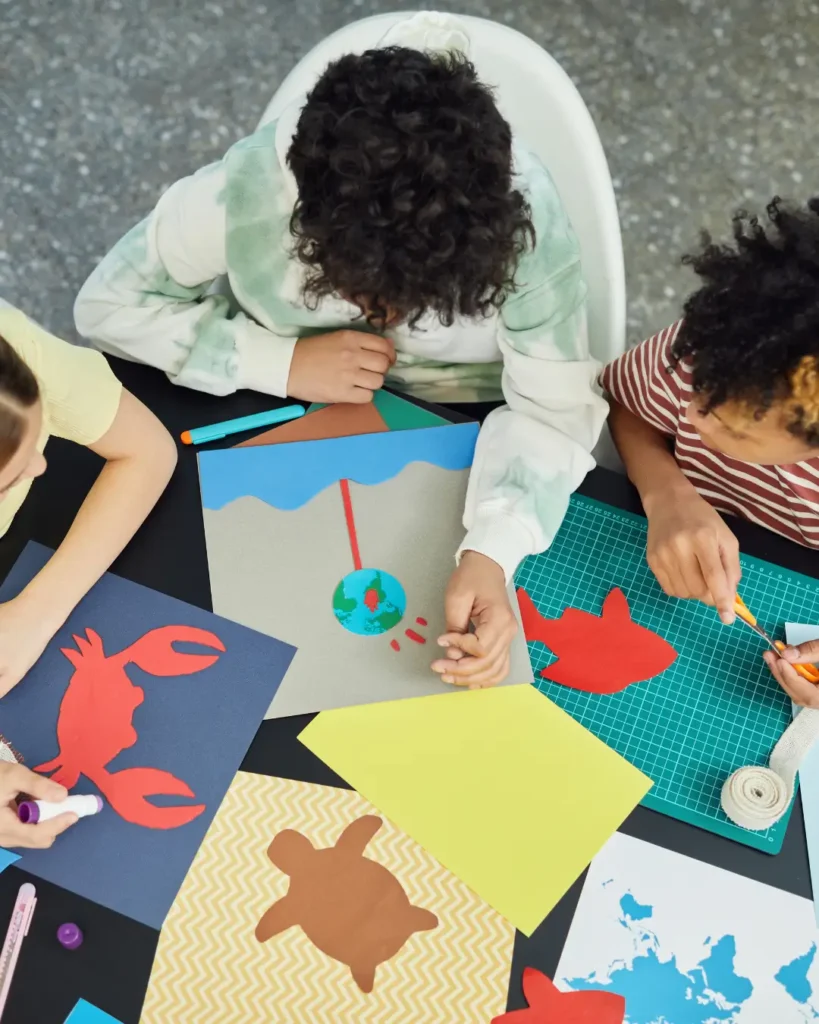
Children often learn best through creativity and hands-on play. Gratitude crafts can make emotional learning feel exciting and engaging.
Some fun ideas include:
- Decorating gratitude jars
- Making thankful paper chains
- Designing gratitude trees
- Creating kindness cards
- Drawing pictures of favourite memories
- Making gratitude collages from magazines
These simple activities encourage children to reflect while also developing creativity and social emotional skills.
Teaching Gratitude During Difficult Seasons
There may be seasons when gratitude feels harder to practice. Children experience grief, friendship struggles, disappointment, changes at school, or worries at home.
During these moments, gratitude should be approached gently.
Instead of saying:
“Just be thankful.”
we can encourage children with softer guidance such as:
- “What helped you feel safe today?”
- “Who made you smile?”
- “What gave you comfort today?”
This teaches children emotional honesty while still nurturing hope and resilience.
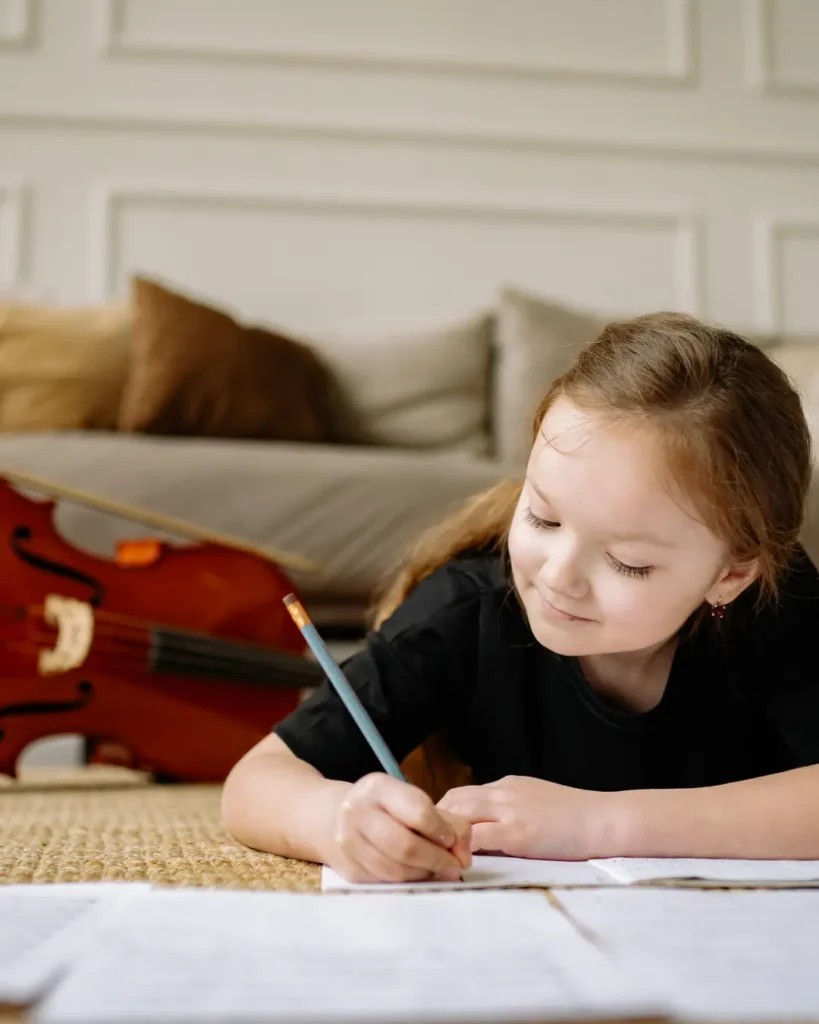
Why Small Moments Matter Most
Often, the moments children remember most are not the expensive trips or perfect celebrations. They remember laughter in the kitchen, bedtime cuddles, family game nights, walks in the park, baking together, and feeling emotionally safe.
Gratitude helps children recognise that these ordinary moments are actually extraordinary.
The scent of pancakes in the morning.
The sound of laughter from another room.
A bedtime story.
Holding someone’s hand.
Watching rain against the window.
These are the moments that shape childhood memories and emotional wellbeing.
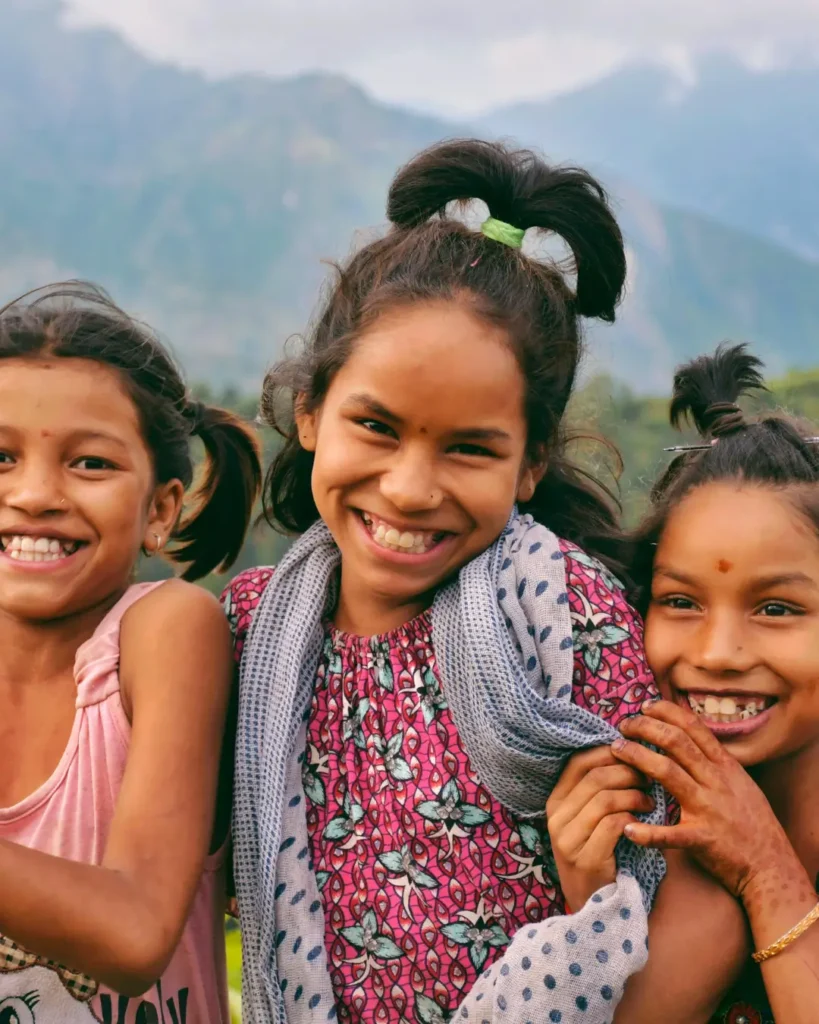
Encouraging a Growth Mindset Through Gratitude
Gratitude also supports the development of a growth mindset.
When children learn to appreciate progress rather than perfection, they become more resilient and confident. They begin understanding that mistakes are part of learning and growth.
For example, instead of focusing only on achievements, gratitude teaches children to appreciate:
- Effort
- Kindness
- Learning opportunities
- Support from others
- Personal growth
This mindset helps children build healthier confidence and emotional balance over time.
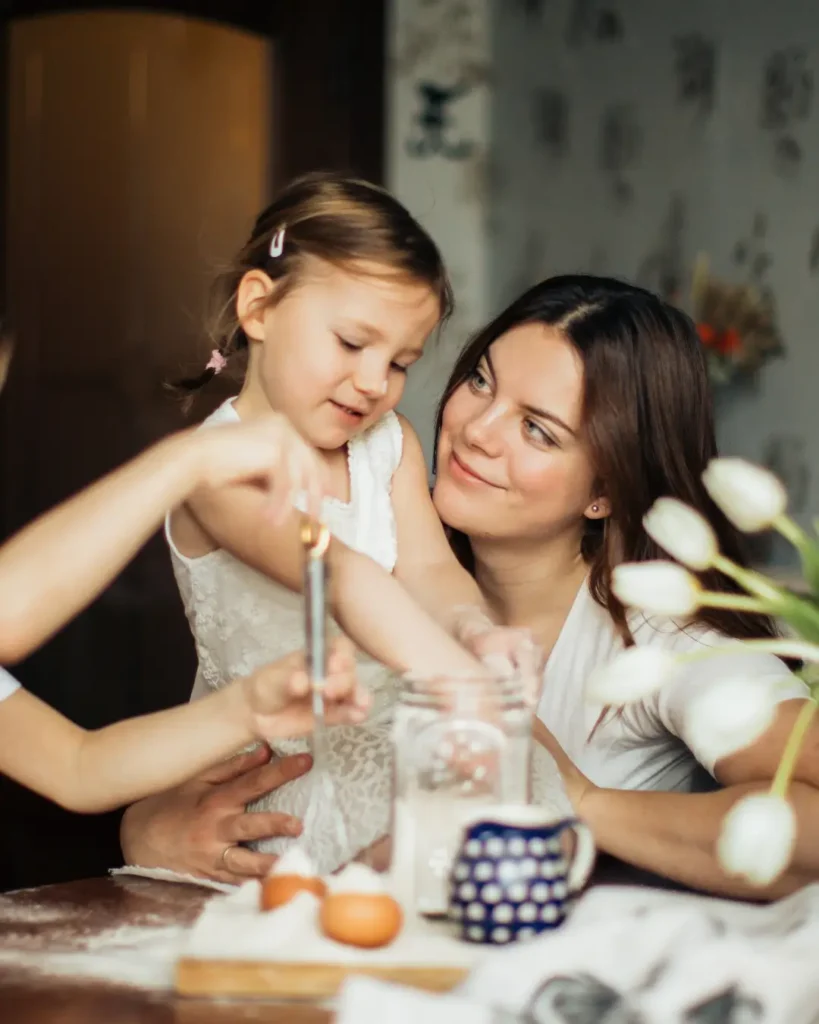
Final Thoughts on Gratitude Activities for Kids
Teaching gratitude to children is truly one of the most valuable gifts we can give them.
In a fast-paced world, gratitude gently reminds them to pause, appreciate, and cherish what truly matters. It helps children grow into kind, thoughtful, emotionally aware individuals who recognise beauty even in life’s ordinary moments.
Whether through a gratitude journal, gratitude jar, gratitude scavenger hunt, or simple daily conversations, every small effort matters.
Every gratitude worksheet completed, and family conversation shared.
Every act of kindness noticed, and very thankful thought written down. It all matters.
Children flourish when they feel loved, seen, heard, and appreciated. And gratitude helps nurture exactly that.
So whether you begin with a simple gratitude scavenger hunt, a gratitude journal, family activities, or bedtime reflections, know that these little moments are planting seeds that can positively shape a child’s heart for years to come.