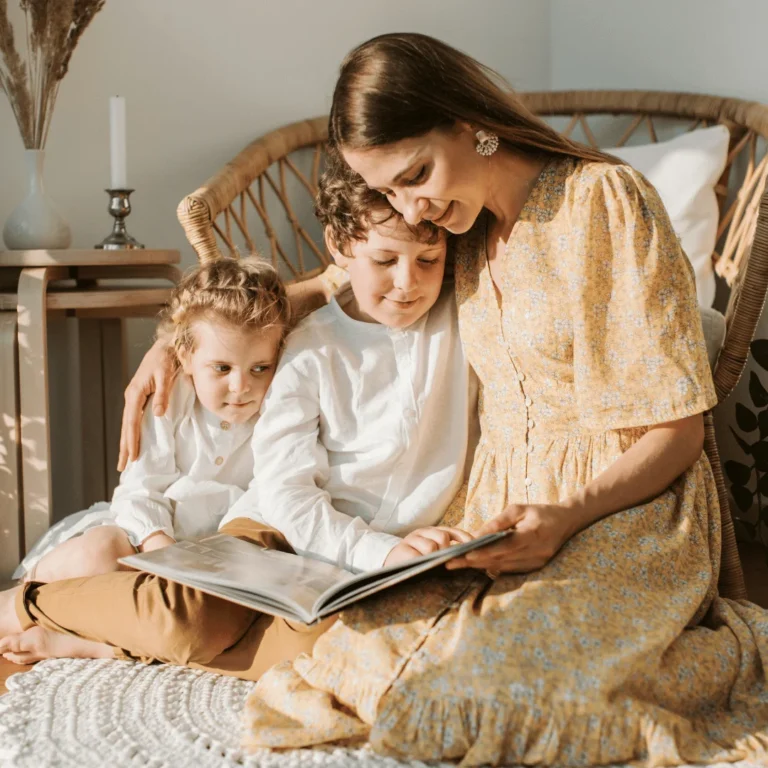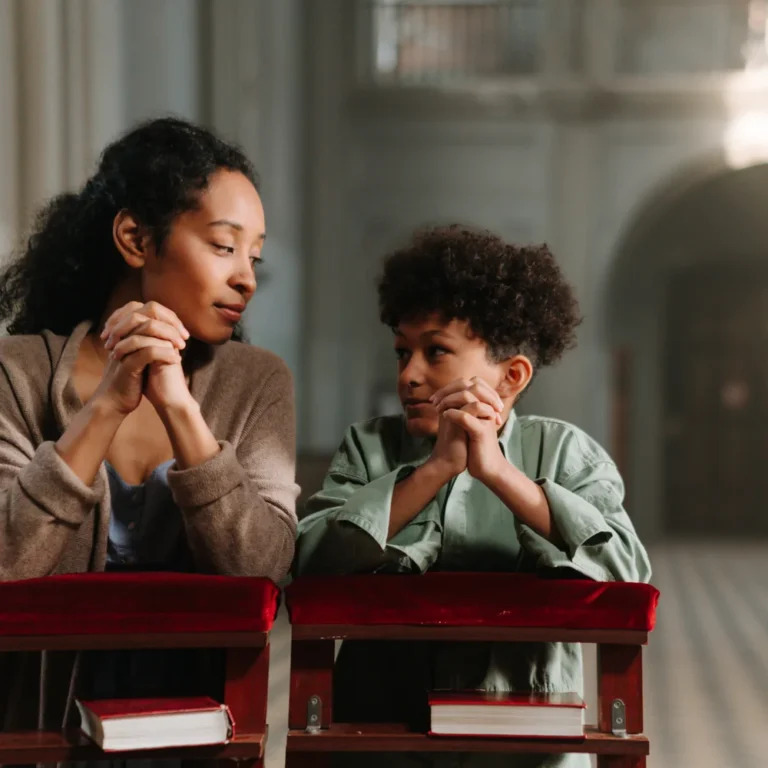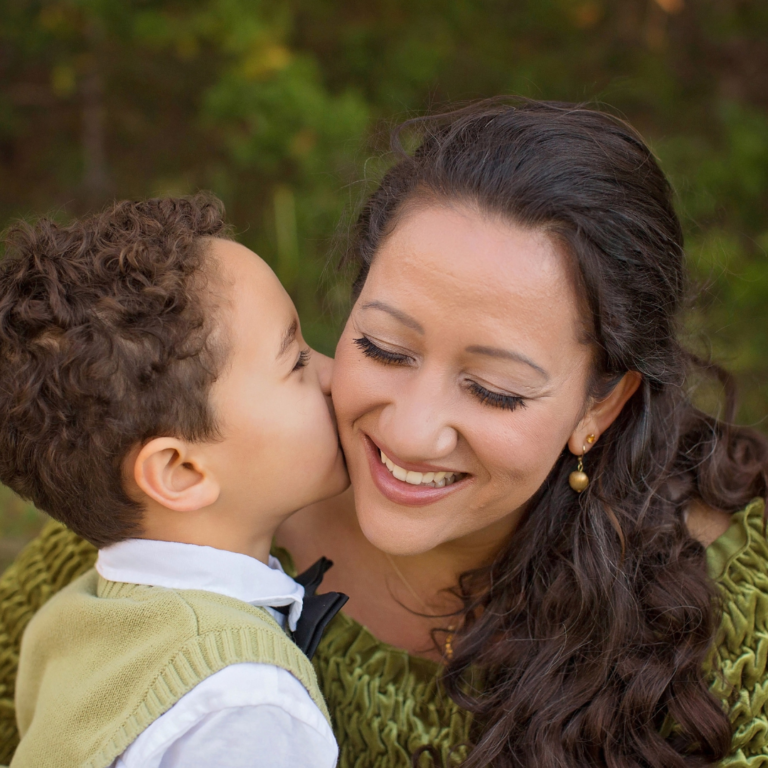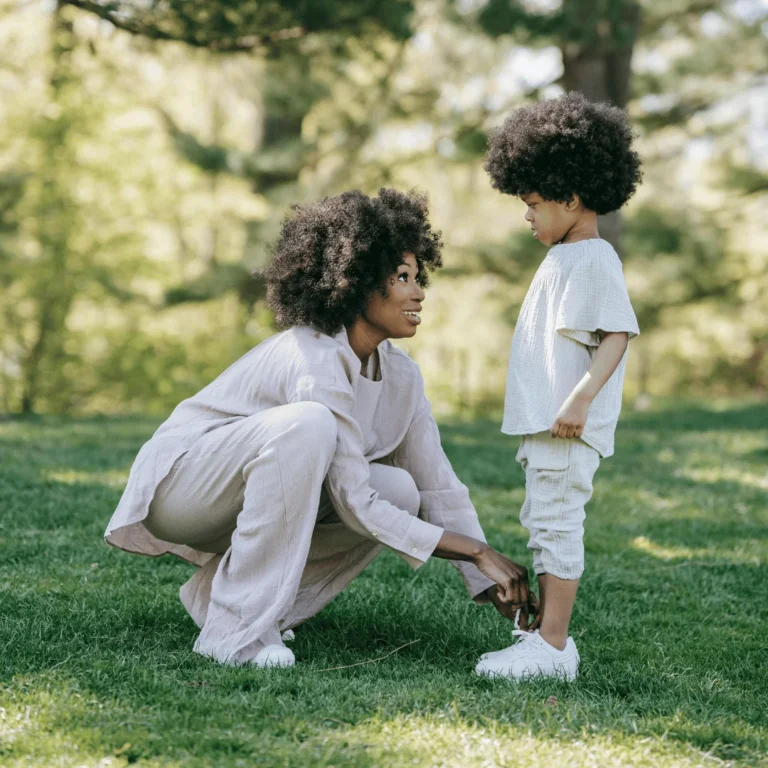
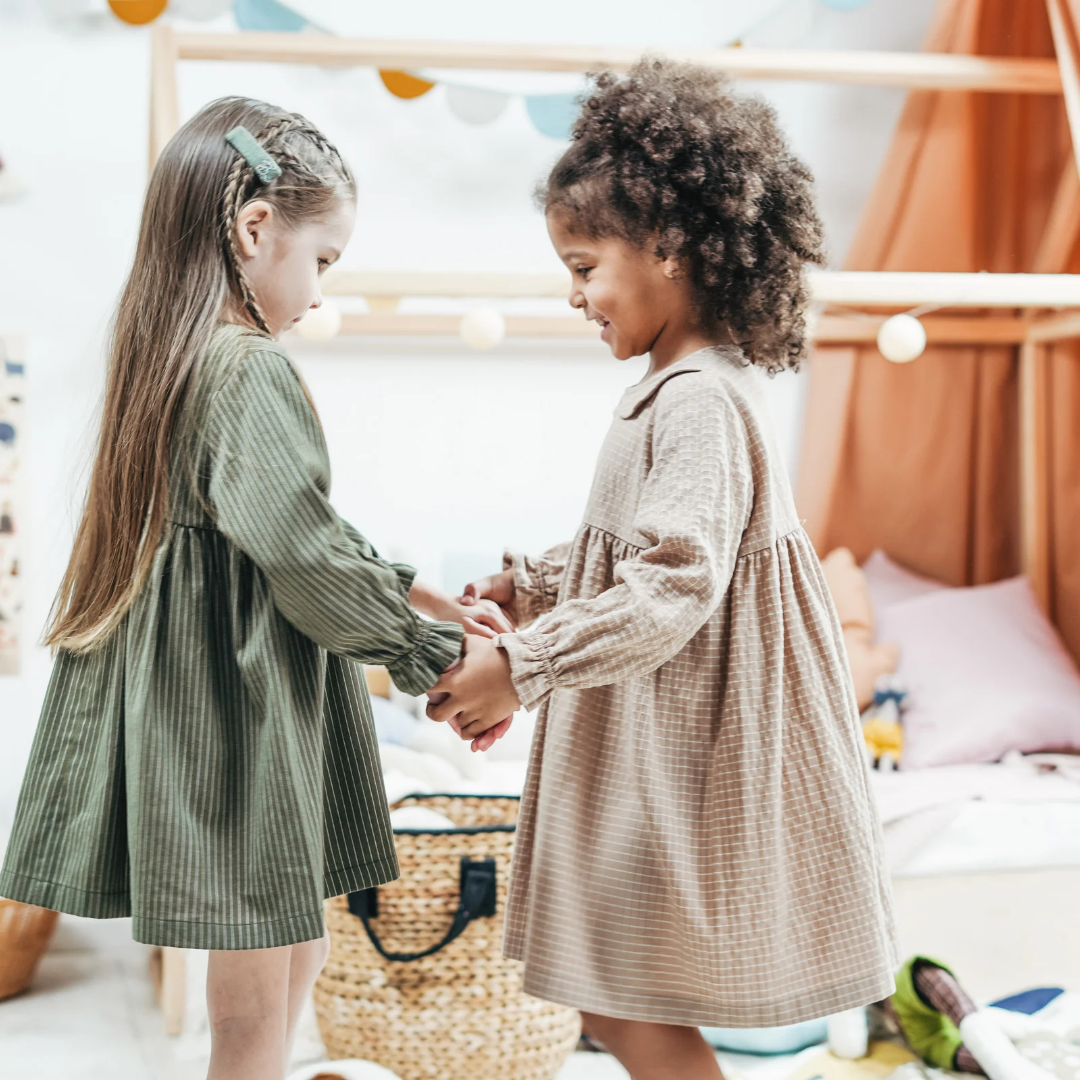
Children are like precious gems, quietly forming and shining in ways we don’t always notice straight away. One moment, they’re building castles from books and cushions, and before we know it, they’re growing into thoughtful little people with opinions, dreams and a developing sense of self.
As they grow, they may appear independent. But the truth remains: children need reassurance, encouragement and loving guidance just as much as they did when they first learned to walk.
No time to read? Save Pinterest for later!
Every positive word we speak acts like a window into how a child sees themselves and the world around them. Words carry power and they shape beliefs, nurture confidence and leave an imprint that children return to again and again.
Especially during moments of doubt or challenge and whether spoken intentionally or casually, our words become part of their inner voice.





In a world overflowing with content, opinions and noise, positive words offer children a place of calm and safety. They provide clarity, truth and reassurance. As parents and caregivers, we have the opportunity to gift our children something invaluable – language that builds them up rather than breaks them down.
Below are ten heartfelt sentiments I share with my own child. They are simple, loving and deeply intentional. These words are not about perfection; they’re about presence, consistency and connection.

Positive Words Matter More Than We Realise
Positive words are not just comforting phrases — they are building blocks. Neuroscience shows that repeated positive language helps children form healthier emotional patterns. Over time, these words shape how children interpret experiences, respond to challenges and regulate emotions.
When children face difficulties, they subconsciously replay what they’ve heard at home. Encouraging words act as anchors, helping them steady themselves when life feels uncertain.
Think of words as seeds. When spoken with love, they take root. The result is confidence, resilience and emotional safety — qualities that last a lifetime.
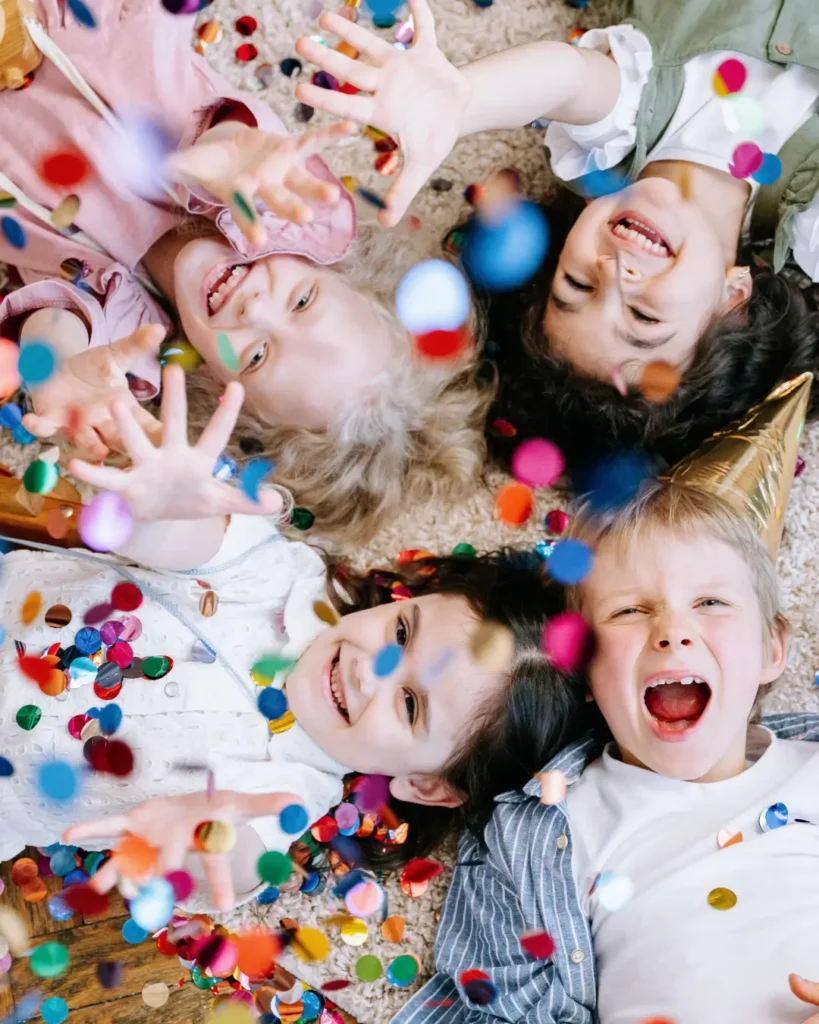
1. “I Love You” (Always and Forever)
“I love you” is one of the most powerful phrases a child can hear. With my son, it comes with a small ritual — a high five followed by interlocked fingers. A moment just for us.
This simple positive word reassures him that love isn’t conditional. It doesn’t disappear on hard days or after mistakes. It is constant. Children don’t outgrow the need to hear they are loved. They carry it with them — into school, friendships, adulthood and even parenthood themselves.
2. “You Are Loved Exactly As You Are”
This sentiment reinforces a powerful truth: children don’t need to earn love.
In a world that often focuses on performance, achievements and comparison, this phrase reminds children that their worth is not tied to outcomes. They are enough simply by being themselves. This kind of reassurance helps children develop a strong sense of identity. It creates emotional safety and helps them return to themselves with confidence.
3. “I Am Proud of You”
When I say ‘this “I am proud of you”, I lower myself to my child’s level, I look into his eyes and I speak these words clearly and lovingly to him. Pride should never feel rushed or automatic.
I say these sentiments not just when he succeeds, but when he tries, in all areas of his life. When he shows kindness to himself, to others and when he keeps going despite fear. This teaches children that effort matters. That progress is valuable. That they are seen.
4. “Well Done”
“Well done” is short, simple and deeply affirming. It recognises growth without pressure.
Children thrive when their efforts are acknowledged and it encourages them to keep learning, exploring and creating. It tells them their work has value. Positive reinforcement doesn’t inflate ego — it builds security.
5. “Your Thoughts and Feelings Matter”
Children often struggle to articulate emotions. This phrase gives them permission to feel — without fear of dismissal.
It creates a safe window for communication and when children know they’ll be listened to, they’re more likely to open up. This sentiment also teaches emotional intelligence — a skill more valuable than any academic achievement.
6. “It’s Okay to Cry”
Crying is not weakness. It’s release.
When children are told it’s okay to cry, they learn that emotions are not something to hide. They learn that vulnerability is safe. My son once told me that crying makes him feel better, because he knows he is still loved afterwards. That alone shows the true impact of this phrase.
7. “You Are Capable, Even When It’s Hard”
This sentiment encourages resilience.
Children will face challenges — at school, in friendships, within themselves. This phrase reminds them that difficulty does not equal failure. It teaches them to keep going. To return to effort. To trust their ability to grow.
8. “You Are Kind, and That Matters”
Kindness is a value worth naming.
When we acknowledge kindness, children begin to see it as part of who they are. It becomes a true reflection of their character, not just a behaviour. This helps children understand the impact of their actions on others and nurtures empathy.
9. “You Are Never Alone”
Children need to know they are supported; not just when things are easy, but especially when they’re not. This phrase reassures them that connection remains even during difficult moments and it help provides emotional stability and trust.
10. “Have a Good Day and a Great Time”
A simple phrase that sets intention.
We say it every morning. It’s light-hearted, hopeful and grounding and it sends my child into the world knowing he is supported and encouraged. Words spoken at the start of the day often return later, acting as quiet reminders of love and encouragement.

The Long-Term Impact of Positive Language
Positive words shape internal dialogue. Over time, children begin to speak to themselves the way they’ve been spoken to. This is where the real gift lies. Children raised with positive language are more likely to:
- Believe in themselves
- Regulate emotions
- Handle setbacks
- Build healthy relationships
- Approach life with confidence
The count of positive words matters. Repetition reinforces belief.
Words, Media and the Modern World
Today’s children are surrounded by screens, media and constant content. What they view, read and absorb shapes their mindset.
That’s why it’s important to balance external influence with intentional language at home. Books, conversations and shared moments provide grounding. Whether through bedtime stories, free resources or thoughtful discussions, language matters.
Even books purchased on platforms like Amazon can become tools for connection — especially when paired with loving conversation.
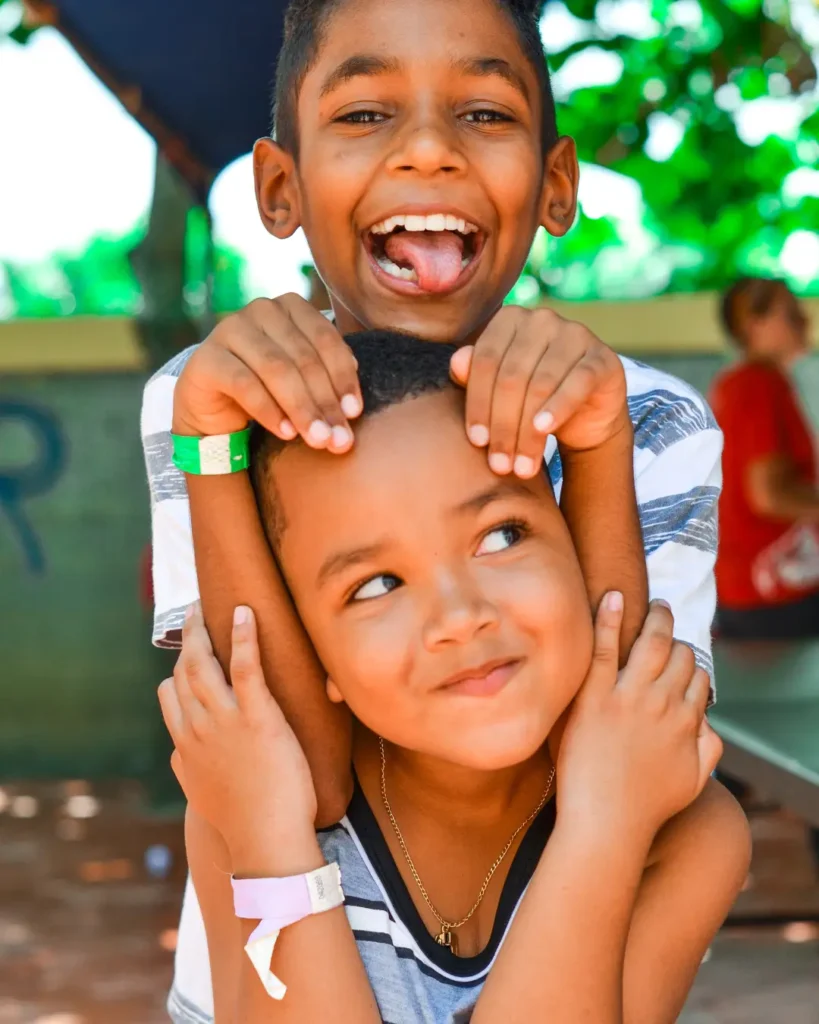
Creating a Home Filled With Positive Words
You don’t need perfection and you need intention, all you need to do is create a home where words uplift. Where mistakes are met with compassion. Where children feel safe to express themselves. Think of words as a const — a constant presence shaping emotional health.
A Note for Every Parent
Parenting is not about getting everything right. It’s about returning to love again and again. Your words don’t need to be perfect — they need to be present and each positive word you speak is a free gift your child will carry forever.

A Gentle Affirmation for Parents
I choose words that build, not break.
I speak with love, patience and intention.
My words are a gift, and my child is listening.
Final Reflection
The power of positive words is not loud or dramatic. It’s quiet, steady and deeply transformative. One uplifting word or sentence spoken with love, can change a child’s inner world and that is something worth fighting for.