
As parents, we often reflect on the experiences we’ve faced growing up. We think back to our own childhood and compare the resources that supported our learning with those available to children today.
Although times have changed, one thing remains the same: the importance of play in childhood development.
No time to read? Save on Pinterest for later!
Play helps children explore their surroundings, discover new ideas, and build the essential skills they will use throughout life. Through play, children develop confidence, creativity, and the ability to communicate with others.
Research shows that when play involves others—whether siblings, friends, parents, or educators—the benefits to child development become even more powerful.
MORE CHILDREN POSTS:
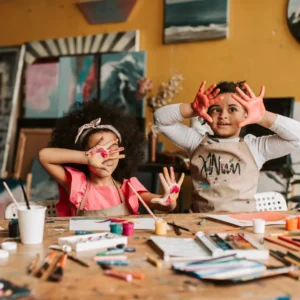



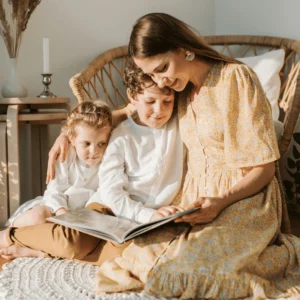
From building social skills to strengthening emotional intelligence, shared play allows children to learn through meaningful social interaction.
In childhood education, understanding the role of play helps parents and educators support healthy childhood development while creating joyful learning experiences.
Let’s explore how play helps children learn and grow.

Play Helps Children Learn Through Social Interaction
Children learn best when they are actively engaged.
Play helps children discover new ideas, test boundaries, and develop independence. When others are involved, social interactions naturally become part of the learning process.
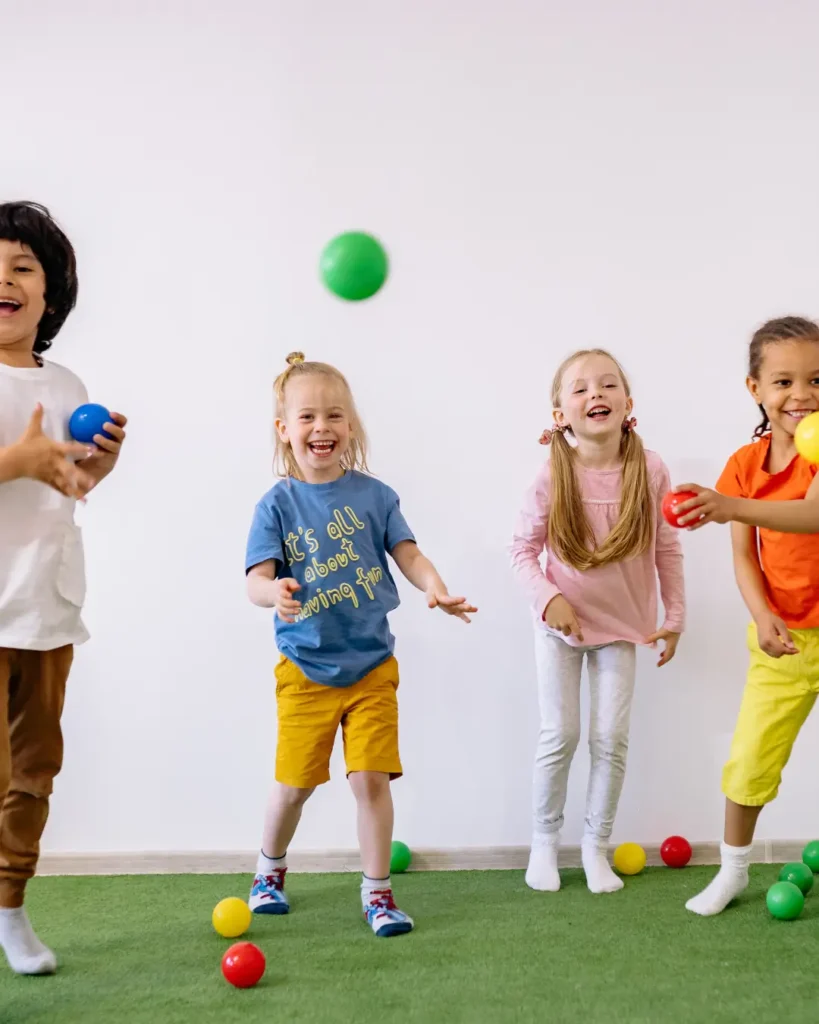
Through group play, children practise communication, cooperation, and problem-solving. These moments of social interaction help children develop the skills they need to navigate relationships both now and in the future.
For example, during imaginative play children often negotiate roles, share ideas, and listen to one another. This type of social play encourages patience, empathy, and understanding — all key elements of social emotional development.
Simply put, play helps children learn how to be part of a group.
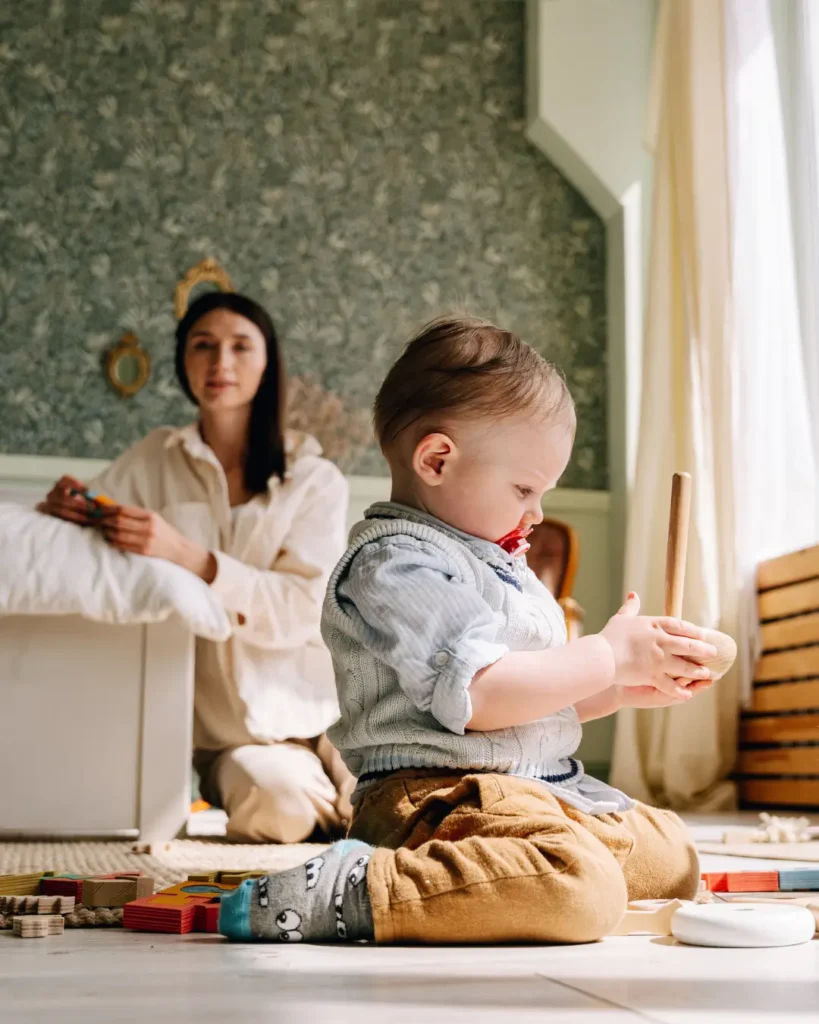
Supporting Social Skills and Emotional Intelligence
One of the most valuable benefits of group play is the development of social skills.
Through play, children develop the ability to:
- Take turns
- Share resources
- Communicate their needs
- Resolve disagreements
- Understand the emotions of others
These experiences help build emotional intelligence, which is essential for forming healthy relationships.
During social play, children begin to recognise feelings such as happiness, frustration, excitement, and empathy. Learning how to manage these emotions is an important step in childhood development.
These early social interactions help children develop confidence in communicating with others and understanding their role within a group.
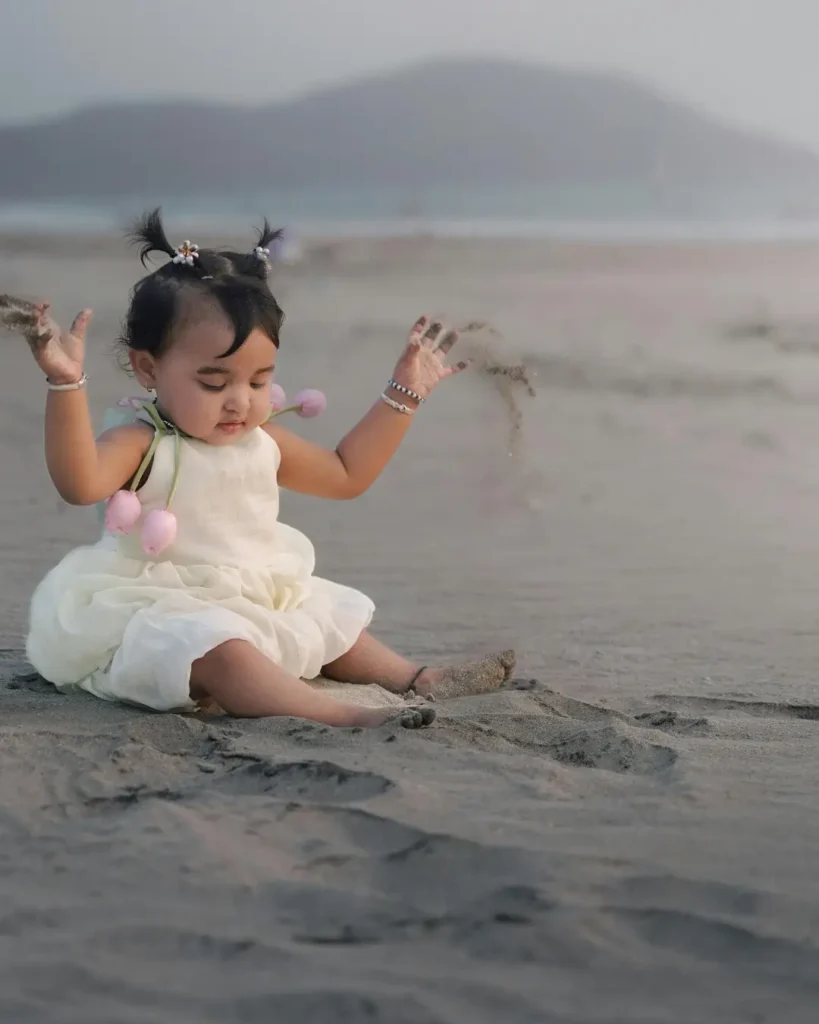
The Importance of Play in Child Development
Play is far more than entertainment.
Play helps children develop essential life skills that support their physical, emotional, and social development.
Through play children develop:
- Communication skills
- Language development
- Emotional intelligence
- Motor skills
- Problem-solving abilities
- Creativity and imagination
Both free play and guided activities play an important role in supporting children’s development.
Free play allows children to explore their creativity independently, while structured activities can support specific learning goals.
Together, they create a balanced environment where children can learn and grow naturally.
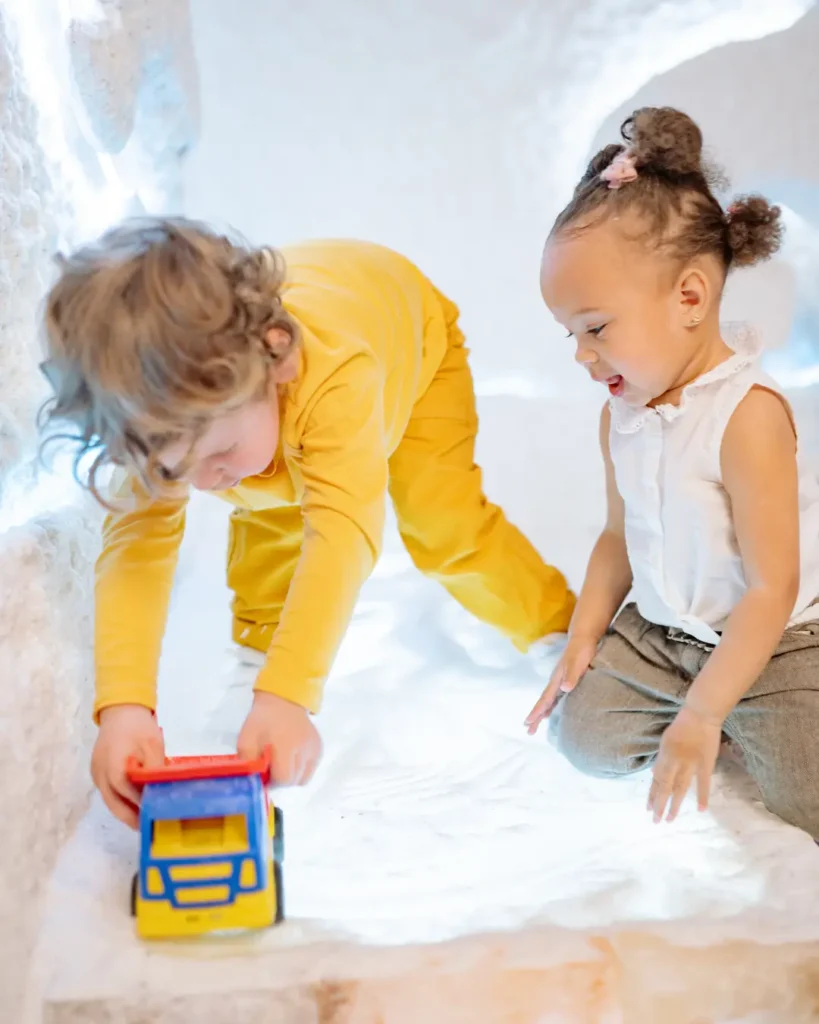
Children’s Learning Resources by Age
While play itself is one of the most valuable learning tools, certain resources and activities can support children’s development during different stages of childhood.
Below are some helpful learning ideas and resources for children aged 0–7 years.

0–6 Months: Sensory Play and Early Exploration
During the first six months of life, babies begin developing awareness through their senses.
Sensory play helps children become aware of the world around them through:
- Sight
- Touch
- Hearing
- Taste
- Smell
These early sensory experiences support both physical development and early motor skills.
Simple sensory activities might include:
- Tummy time
- Hanging mobile toys
- Soft music
- Bubbles
- Gentle sensory lights
These activities encourage babies to move their bodies, reach for objects, and respond to sounds.
However, it is important to remember that every child develops differently.
For example, when my son was younger he didn’t enjoy sensory play with paints because he disliked the texture and mess. As he grew older, he became more comfortable exploring those activities.
Sometimes we simply need to follow our child’s lead and support what works best for them.
Helpful Learning Resources for 0–6 Months
A baby play gym is a wonderful sensory resource.
Benefits include:
- Encouraging tummy time
- Supporting hand-eye coordination
- Stimulating visual development
- Strengthening early motor skills
Many play mats include hanging toys and interactive features which help babies explore movement through play.
A soft baby rattle is a simple yet powerful learning tool.
Rattles help children:
- Develop grasping skills
- Improve fine motor skills
- Recognise sound and movement
- Build early sensory awareness
They are lightweight, colourful, and perfect for little hands to explore.
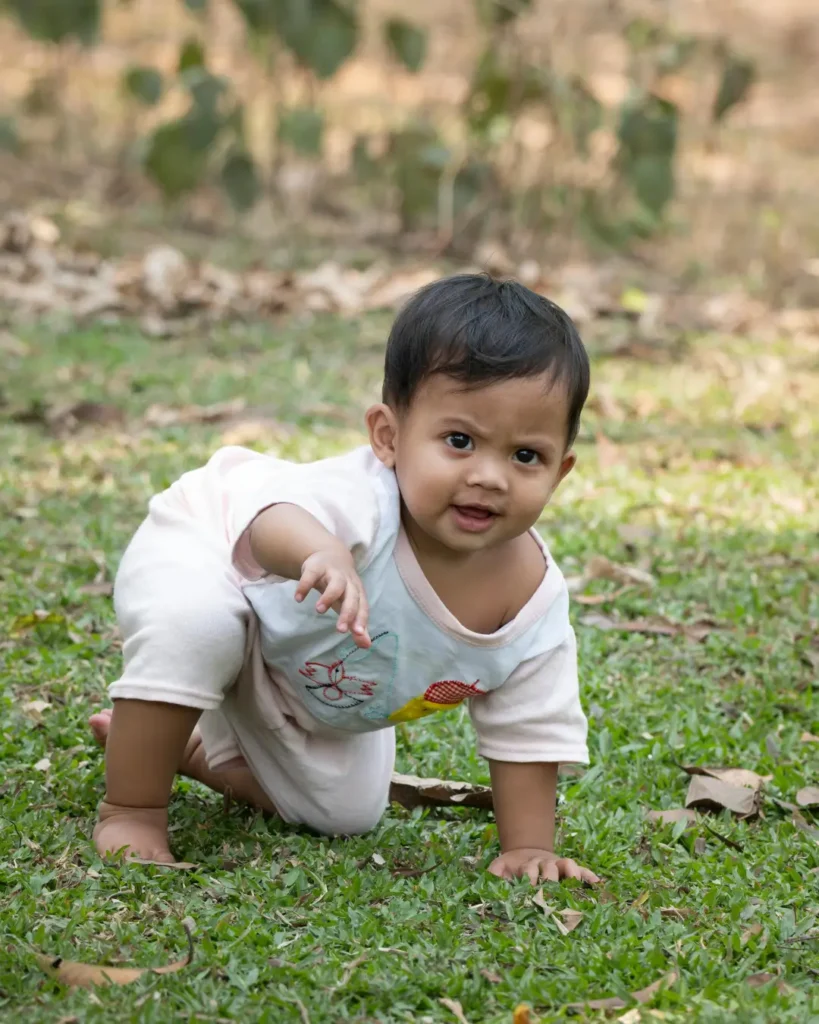
6 Months – 1 Year: Exploring Movement and Communication
This stage of childhood development is truly beautiful.
Children begin interacting more with both objects and people. They start recognising sounds, responding to voices, and exploring their surroundings.
During this stage you may notice:
- Sitting up independently
- Crawling
- Babbling
- Increased curiosity
- Stronger social interaction
Play becomes even more important because it supports communication, movement, and exploration.
Helpful Learning Resources for 6–12 Months
This supportive seat allows babies to sit comfortably while observing the world around them.
Benefits include:
- Supporting neck and back strength
- Encouraging visual exploration
- Promoting physical development
- Allowing safe interaction with toys
My little one loved relaxing in his seat while watching his favourite shows. It gave him the freedom to explore his environment while still feeling secure.
Of course, adult supervision is always essential.
A sensory ball pit is an exciting way to encourage movement.
Ball pits help children develop:
- Gross motor skills
- Physical coordination
- Curiosity and exploration
- Social interaction if playing with others
They are great for both indoor and outdoor play.
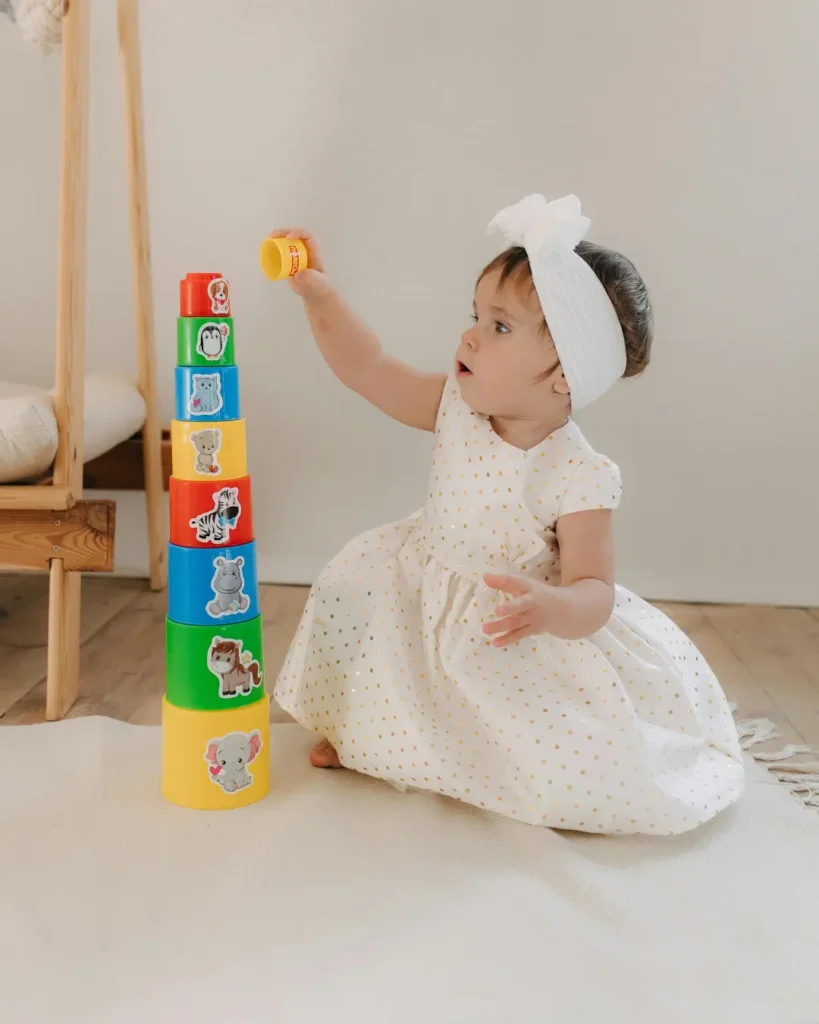
1–2 Years: Discovering Independence Through Play
Doesn’t time start to fly?
This stage is when toddlers begin showing their personalities and expressing their feelings more clearly.
While many refer to this phase as the “terrible twos,” it is actually a time when children are learning how to understand and regulate their emotions.
During this stage children often:
- Copy movements
- Repeat words
- Explore textures
- Interact socially
- Develop communication skills
These experiences support both cognitive and social development.
Learning Resources for 1–2 Years
This interactive toy helps toddlers explore cause and effect.
Benefits include:
- Strengthening hand-eye coordination
- Developing fine motor skills
- Supporting recognition and memory
- Encouraging problem solving
The colourful design and sounds keep toddlers engaged while they learn through play.
Stacking rings are a timeless childhood toy.
They help children develop:
- Motor skills
- Concentration
- Problem solving
- Visual recognition
The bright colours also stimulate early learning and encourage curiosity.

2–4 Years: Imagination and Social Play
During the preschool years, children’s imagination grows rapidly.
They begin to enjoy role play, storytelling, and creative activities that allow them to explore their ideas.
At this stage children develop:
- Social skills
- Communication abilities
- Emotional awareness
- Problem-solving skills
Group play becomes especially important during this stage because it encourages cooperation and teamwork.
Activities that support development include:
- Pretend play
- Creative art activities
- Building blocks
- Outdoor play
- Music and movement activities
These activities help children develop confidence while strengthening their social and emotional development.
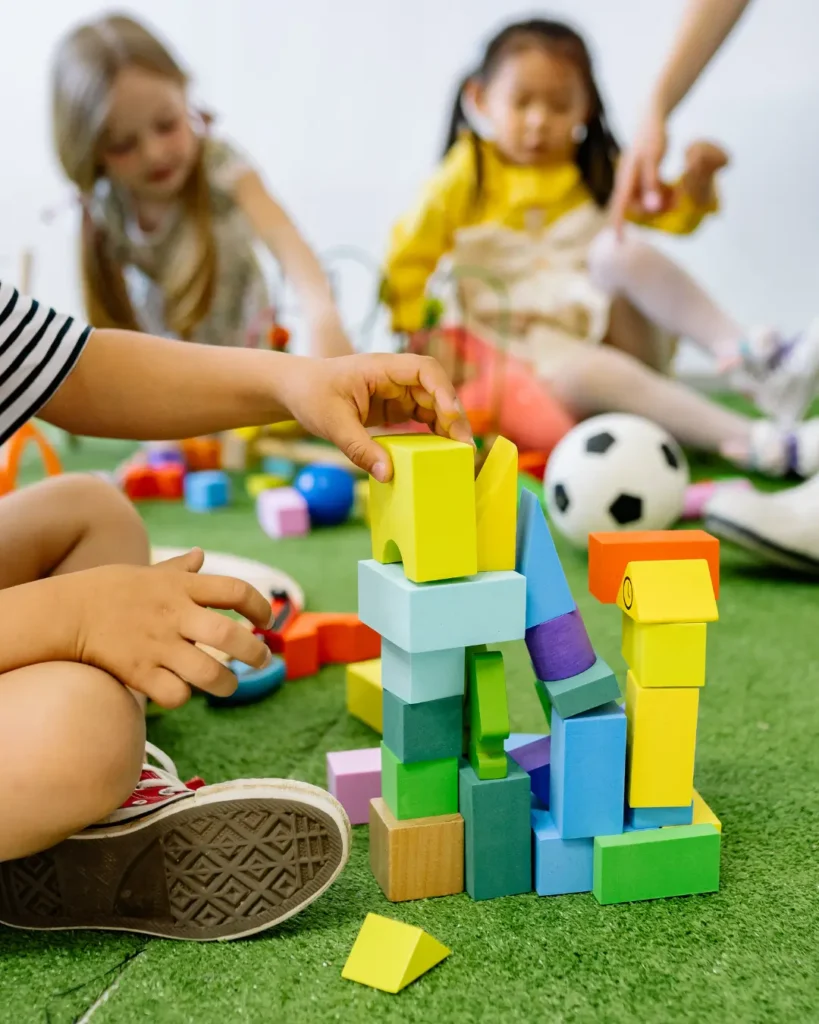
4–5 Years: Preparing for School Learning
Around this stage children begin preparing for school environments.
Play continues to support important areas of development including:
- Communication and language development
- Emotional regulation
- Social interaction
- Early learning skills
Group activities help children develop the confidence to interact with others and express their ideas clearly.
Activities such as puzzles, creative play, and group games support early learning development while still allowing children to enjoy the freedom of play.

5–7 Years: Growing Confidence and Independence
Between ages five and seven, children continue developing essential life skills.
This stage is often when children begin formal schooling, where group learning and social interaction become part of their daily routine.
Play continues to support:
- Social skills
- Communication
- Emotional intelligence
- Problem-solving abilities
- Teamwork
Activities that encourage development during this stage include:
- Board games
- Creative storytelling
- Outdoor sports and physical play
- Group activities with friends
- Educational building toys
These activities help children build confidence, strengthen friendships, and develop the essential skills they need for learning.
A Final Thought for Parents
Children are independent beings filled with curiosity, creativity, and wisdom.
They experience ups and downs just like we do, but what they need most is patience, understanding, and love.
Every child is unique in their personality, social awareness, and physical development. What matters most is that we support them as they learn and grow.
Play is one of the greatest gifts we can give our children.
Through play they learn, explore, communicate, and develop the essential skills they need for life.
And sometimes the most meaningful learning moments come from simply playing together.
If you have any favourite learning resources or activities that your child enjoys, I’d love to hear about them in the comments below.